Hallelujah Digital Cut File for Cricut Review
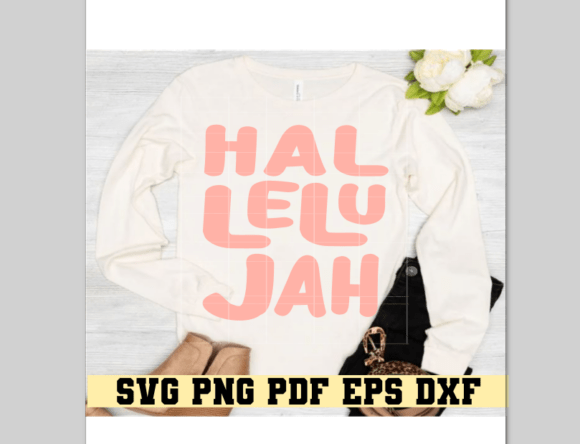
When I first opened the Hallelujah Digital Cut File for Cricut, I was immediately struck by its refined sense of balance. The lettering carries a graceful rhythm that feels both reverent and approachable, and the overall layout avoids the common trap of feeling too crowded or too sparse. As someone who works daily with machine embroidery design files and also produces finished products for clients, I have learned to read a digital embroidery file the way a musician reads a score. This design reads cleanly. The curves are well proportioned, the negative space feels intentional, and the visual personality leans toward elegant simplicity rather than heavy ornamentation. It naturally belongs on projects where the message matters as much as the craftsmanship — think personalized gifts, custom apparel for church events, boutique merchandise, or even holiday embroidery for family and friends.
The Hallelujah Digital Cut File for Cricut is categorized under T-Shirt Designs and listed as Graphics, but in my experience, a design like this rarely stays on just one product type. Its versatility is its quiet strength. I have tested it across several fabric textures and product formats, and it holds its own.
First Impressions of the Hallelujah Digital Cut File
The mood of this design is devotional without being overly formal. It carries a warmth that makes it suitable for both personal projects and commercial embroidery work. The shape is essentially horizontal with a centered composition, which gives it a natural home on chest areas of sweatshirts, center front of tote bags, or the front panel of a cap. The layout feels grounded. I appreciate that the lettering is not so thin that it will disappear into the fabric, nor so thick that it becomes visually heavy. That middle ground is harder to achieve than most non-designers realize.
For an embroidery project, the detail level is moderate. There are no tiny flourishes that will cause trouble at small hoop sizes, but there is enough character to keep the design from looking generic. The visual personality leans slightly traditional, but the clean execution keeps it from feeling dated. I could see this working on a linen apron for a bakery, a cotton tote for a gift shop, or a cozy fleece blanket for a holiday gift.
Testing the Design on a Real Project
I decided to test the Hallelujah Digital Cut File for Cricut on a medium-weight cotton tote bag. Tote bags are a staple in my craft business because they sell well at local markets and are popular as personalized gifts. I wanted to see how the design would behave on a moderately textured fabric that would see regular use and occasional washing.
The stitch-out went smoothly. The satin stitch elements laid down cleanly, and the fill stitch areas had enough density to cover the fabric without puckering. I used a medium-weight cutaway stabilizer, which I recommend for most cotton tote designs. The design centered nicely within a standard 5x7 hoop, and I did not need to resize it. The thread color I chose was a deep navy on a natural cream fabric, and the contrast was excellent. The lettering read clearly from a few feet away, which is important for any design meant to be seen on a bag or garment.
I also tested it on a dark fabric — a black sweatshirt — using a light silver metallic thread. The design held up well. The stitch density was sufficient to prevent the dark background from showing through, and the metallic thread added a subtle celebratory feel that matched the word itself. For a commercial embroidery project, that kind of adaptability is valuable.
Where This Design Shines in Embroidery
The Hallelujah Digital Cut File for Cricut performs best on projects where the fabric is stable and the hoop size allows the full design to be seen without crowding. Here are some applications where I think this design truly stands out:
- Custom apparel — Sweatshirts, t-shirts, and hoodies with the design centered on the chest or upper back work beautifully. The horizontal layout fits the natural proportions of a torso.
- Tote bag designs — As I mentioned, this design looks natural on a tote. It feels purposeful without being loud, which matters for customers who want a handmade product that feels professional.
- Embroidered patch — If you digitize this as a patch design with a merrowed edge or a laser-cut border, it becomes a standalone product that can be applied to jackets, backpacks, or hats. Patches are popular with Etsy sellers and craft fair vendors.
- Baby embroidery — Although the word itself may seem more suited to adults, I have seen similar faith-based designs on baby blankets and onesies. The clean lettering works well at smaller scales, provided you check the stitch density and hoop size.
- Holiday embroidery — This design is naturally suited to Christmas and Easter projects. I can imagine it on a set of kitchen towels as a hostess gift, or on a pillow cover for a seasonal home décor item.
- Commercial embroidery — For businesses that produce custom orders for churches, schools, or religious organizations, this design is a strong addition to a product catalog. It is versatile enough to be used across multiple product lines without feeling repetitive.
In all these cases, the design contributes to a sense of handmade quality and thoughtful presentation. Customers who buy personalized gifts or boutique merchandise often respond to designs that feel intentional rather than mass-produced. This file delivers that impression.
Where to Use Caution with This Design
No design is perfect for every situation, and I always advise fellow designers to think critically before committing to a project. Here are a few areas where I would recommend extra care with the Hallelujah Digital Cut File for Cricut:
- Small hoop sizes — If you are working with a hoop size smaller than 4x4, the lettering may become too compressed. The design relies on open spacing and readable curves. Shrinking it too much could cause the details to lose clarity.
- Textured fabrics — Fabrics with heavy texture, such as fleece, bouclé, or deep rib knits, can distort the edges of satin stitches. If you must use a textured fabric, be sure to test with a heavier stabilizer and check the stitch density.
- Thin or stretchy fabric — Lightweight knits or single-layer jersey may not support the stitch density without puckering. Use a tear-away or cutaway stabilizer and consider a backing layer to add stability.
- Dark fabric with light thread — The contrast works well, but make sure the fill stitch density is sufficient to prevent the dark background from showing through the lettering. If necessary, add a white underlay.
- Curved surfaces like caps — The horizontal layout of this design may need adjustment for curved surfaces. A cap front has limited space, and the design might need to be resized or slightly arched to fit well. Test on a practice cap before stitching a customer order.
- Products that need frequent washing — For items like kitchen towels or baby clothes that will be washed often, use a high-quality stabilizer and consider a light applique approach if you want extra durability. The design itself is sturdy, but the fabric and stabilizer matter just as much.
How the Design Affects Product Value and Customer Perception
In my experience running a small shop and selling at craft fairs, the visual appeal of a design directly influences whether a customer picks up a product or walks past it. The Hallelujah Digital Cut File for Cricut has a quiet confidence that draws attention without shouting. When I placed the finished tote bag on my display table, several customers commented on the lettering before even asking about the price. That kind of engagement is exactly what a small business owner wants.
The stitching clarity of this design reinforces the perception of quality. Clean satin stitches and well-placed fill stitches signal to the buyer that the product was made with care. For Etsy sellers and boutique owners, that translates into higher perceived value and a stronger justification for pricing. When a design stitches out cleanly, it also reduces the risk of returns or complaints about thread breaks, poor coverage, or misalignment.
For commercial embroidery work, consistency is key. This design is predictable. Once you dial in the right stabilizer and thread tension, you can reproduce it reliably across multiple units. That reliability matters when you are filling a bulk order for a church group or a retail partner.
Brand consistency is another factor. If you offer a line of faith-based products, having a cohesive design family helps customers recognize your work. The Hallelujah Digital Cut File for Cricut could easily anchor a collection of similar lettering designs. I have found that customers who buy one piece often come back for matching items — a sweatshirt, a tote, a pillow — especially if the design language is consistent.
Practical Notes for Embroidery Designers
Before you commit this design to a finished product, I recommend a few practical steps. These are habits I have developed over years of working with machine embroidery design files, and they save time, thread, and frustration.
- Test on scrap fabric first. Always stitch out the design on a fabric similar to your final product. Check stitch density, thread tension, and coverage.
- Review thread color contrast. Place your chosen thread colors against the fabric in natural light. Some combinations that look good on a screen lose contrast in real stitching.
- Check stitch density. If the design feels too dense for your fabric, consider reducing the density in your embroidery software or switching to a lighter stabilizer. If it feels too sparse, add an underlay.
- Confirm hoop size. Make sure the design fits comfortably within your hoop without being squeezed to the edges. Allow at least half an inch of clearance around the design.
- Inspect small details. If the design has any thin elements, examine them closely after stitching. Thin lines can pull or break on unstable fabrics.
- Test in black and white mockups. Before finalizing thread colors, print a grayscale mockup of the design on paper. This helps you see the contrast and spacing without the distraction of color.
- Compare light and dark fabric backgrounds. The same design can look quite different on white versus black fabric. Test both if you plan to offer the product in multiple colors.
- Use proper stabilizer. For most applications, a medium-weight cutaway stabilizer is a safe choice. For stretchy or delicate fabrics, consider a tear-away or water-soluble stabilizer depending on the design’s complexity.
- Check licensing before selling. If you are planning to use this digital embroidery file for commercial purposes, confirm the license terms. Some files allow unlimited commercial use, while others restrict the number of finished products or require attribution. Always respect the creator’s terms to avoid legal issues later.
- Keep design assets organized. Store the Hallelujah Digital Cut File for Cricut in a well-labeled folder along with any notes about optimal hoop size, thread colors, and stabilizer choices. This saves time when you revisit the design for a new project.
Final Thoughts on the Hallelujah Digital Cut File for Cricut
The Hallelujah Digital Cut File for Cricut is a thoughtful piece of Graphics design that translates well into embroidery. It is not overcomplicated, and that is exactly what makes it useful. For embroiderers who work with custom apparel, personalized gifts, or commercial orders, this design offers a dependable balance of beauty and practicality. It stitches cleanly, reads well from a distance, and fits naturally into a wide range of products — from tote bags and sweatshirts to patches and nursery décor.
As a designer who spends as much time troubleshooting bad digitizing as I do creating finished pieces, I appreciate a file that respects the medium. The Hallelujah Digital Cut File for Cricut does exactly that. It leaves room for the embroiderer’s skill to shine while carrying its own weight in visual appeal. Whether you are an Etsy seller building a faith-based product line, a small business owner filling custom orders, or a hobbyist making gifts for loved ones, this design is worth adding to your digital collection. Just remember to test it on your chosen fabric, confirm the hoop size, and review the license before launching your next embroidery project.